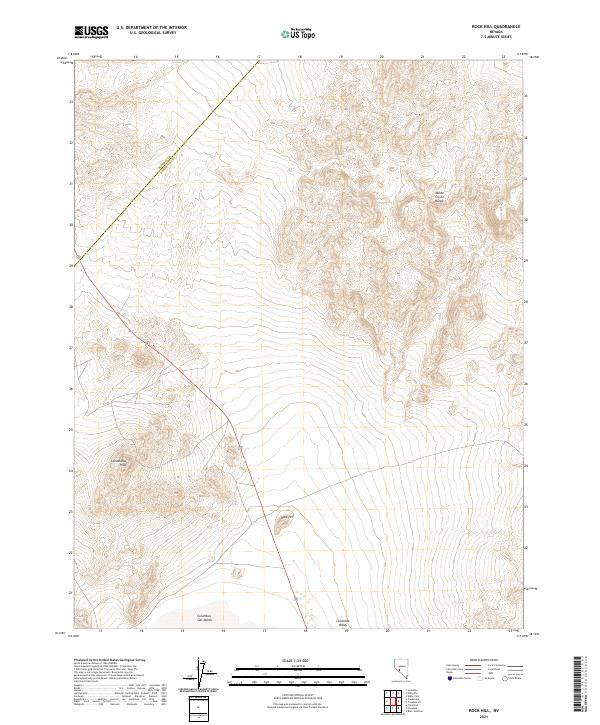
2021 Map of Rock Hill
USGS Topo · Published 2021About this map
Columbus Salt Marsh dominates the southern basin of this high-desert landscape, serving as a terminal drainage point for the surrounding uplands. The terrain transitions from the low-lying Columbia Valley into the prominent ridges of the Monte Cristo Range to the northeast and the Candelaria Hills in the southwest. A sharp administrative boundary marks the transition from Mineral County into Esmeralda County, cutting diagonally across the northern portion of the map. The isolated summit of Rock Hill rises from the valley floor, providing a central landmark between the expansive salt flats and the mountain slopes. This 2021 survey documents the stark geological character of the region, where drainage patterns from the ranges define the arid environment.
Find a feature on this map
12 named features on this map. Tap any name to fly to it.
Don’t see what you’re looking for? This feature index may not catch every label — zoom into the map to look around manually.
Map Details
Editions of this 2021 Rock Hill Map
This is the sole edition of this map. No revisions or reprints were ever made.
Other maps of this area
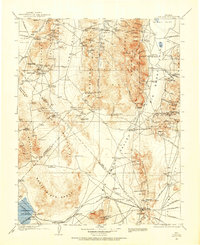
1907 · Tonopah
USGS Topo · 1:250,000
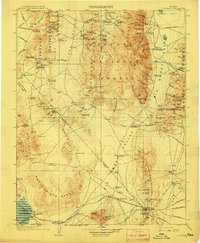
1908 · Tonopah
USGS Topo · 1:250,000
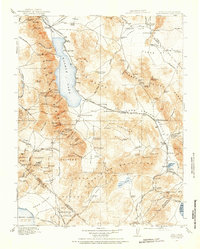
1909 · Hawthorne
USGS Topo · 1:250,000
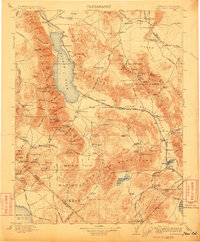
1911 · Hawthorne
USGS Topo · 1:250,000
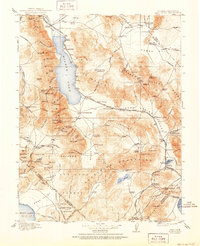
1915 · Hawthorne
USGS Topo · 1:250,000
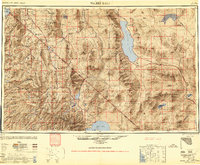
1948 · Walker Lake
USGS Topo · 1:250,000
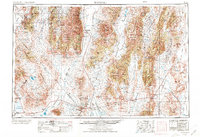
1956 · Tonopah
USGS Topo · 1:250,000
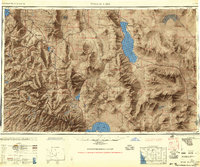
1957 · Walker Lake
USGS Topo · 1:250,000
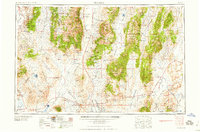
1959 · Tonopah
USGS Topo · 1:250,000
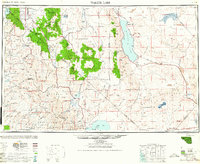
1962 · Walker Lake
USGS Topo · 1:250,000