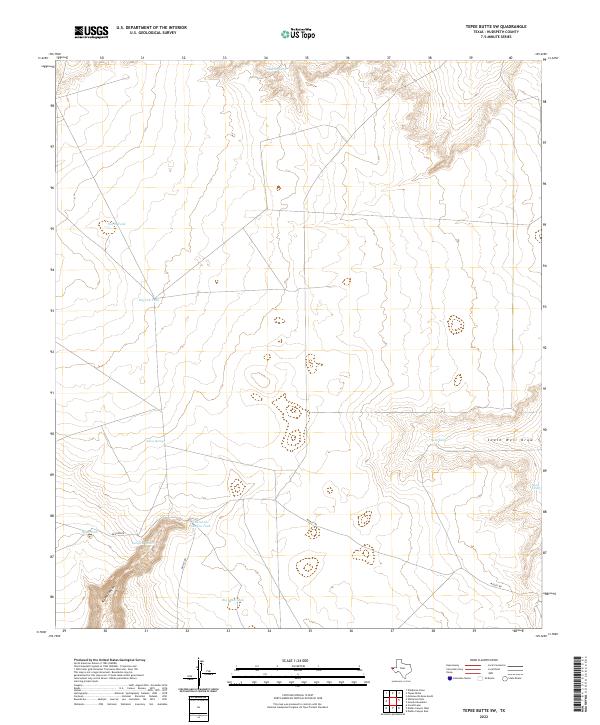
2022 Map of Tepee Butte SW
USGS Topo · Published 2022About this map
Alamo Springs serves as a critical water point in this arid landscape of western Hudspeth County, where survival has long depended on the management of seasonal runoff. The terrain is defined by the deep carving of Alamo Canyon and the broad expanse of South Well Draw, illustrating the natural drainage patterns of the Trans-Pecos region. Cattle ranching infrastructure is the primary human imprint on this land, evidenced by a network of catchments such as Big Tub Tank, Apache Tank, and New Tank linked by isolated tracks like Mosley Rd. These features indicate a landscape that remains dedicated to large-scale ranching, where the distribution of water sources dictates the movement of both livestock and people across the high desert.
Find a feature on this map
12 named features on this map. Tap any name to fly to it.
Don’t see what you’re looking for? This feature index may not catch every label — zoom into the map to look around manually.
Map Details
Editions of this 2022 Tepee Butte SW Map
This is the sole edition of this map. No revisions or reprints were ever made.
Other maps of this area
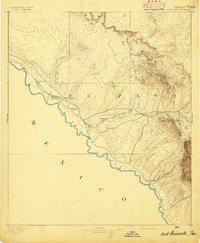
1894 · Fort Hancock
USGS Topo · 1:125,000
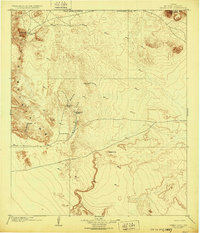
1903 · Cerro Alto
USGS Topo · 1:125,000
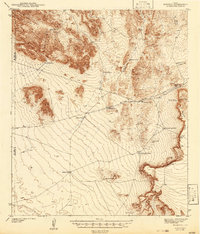
1942 · Borrego
USGS Topo · 1:62,500
1943 · Tepee Butte
USGS Topo · 1:62,500
1943 · Finlay Mountains
USGS Topo · 1:62,500
1943 · Fort Hancock
USGS Topo · 1:62,500
1954 · Van Horn
USGS Topo · 1:250,000
1958 · Van Horn
USGS Topo · 1:250,000
1972 · Cavett Lake
USGS Topo · 1:24,000
1977 · Whiterock Hills
USGS Topo · 1:24,000