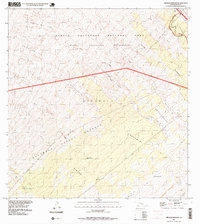
1995 Map of Kipukapakekake
USGS Topo · Published 1999About this map
Ke A Po'omoku Lava Flow and several other volcanic tracks dominate this mid-1990s record of Hawaii's active landscape. The map provides a detailed look at the geological scars of the Big Island, most notably the Lava Flow of 1880 which cuts through the Kapapala Forest Reserve. Human presence is sparse, marked primarily by the small settlements of Bates and Kauhiuhi and a network of 4wd roads used for traversing the uneven terrain. The boundary for the Hawaii Volcanoes National Park and its accompanying Hawaii Volcanoes Wilderness highlights the conservation of this unique environment. Large open tracts like Ainapo and the Pahuamimi region show the character of the island's uplands, where volcanic flows meet forested ridges and high-elevation cinder cones like Pu'u Pili.
Find a feature on this map
22 named features on this map. Tap any name to fly to it.
Don’t see what you’re looking for? This feature index may not catch every label — zoom into the map to look around manually.
Map Details
Editions of this 1995 Kipukapakekake Map
This is the sole edition of this map. No revisions or reprints were ever made.
Other maps of this area
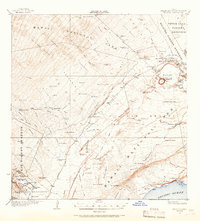
1921 · Kilauea
USGS Topo · 1:62,500
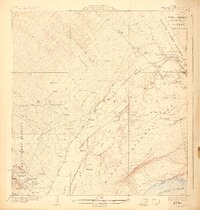
1924 · Kilauea
USGS Topo · 1:62,500
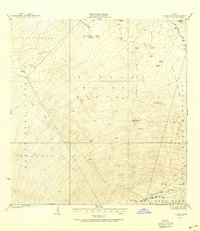
1927 · Kaohe
USGS Topo · 1:62,500
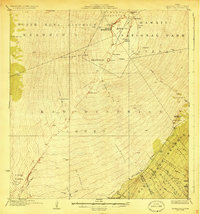
1928 · Mauna Loa
USGS Topo · 1:62,500
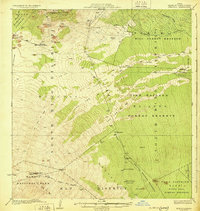
1930 · Humuula
USGS Topo · 1:62,500

1930 · Kaohe
USGS Topo · 1:62,500
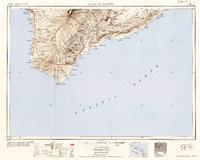
1954 · Hawaii South
USGS Topo · 1:250,000
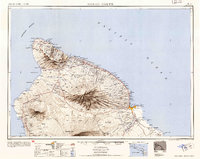
1954 · Hawaii North
USGS Topo · 1:250,000
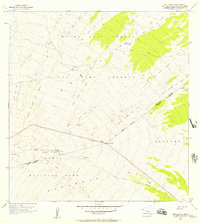
1956 · Puu Ulaula
USGS Topo · 1:24,000
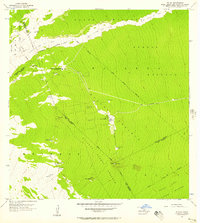
1956 · Kulani
USGS Topo · 1:24,000