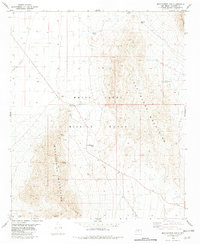
1982 Map of Mockingbird Gap
USGS Topo · Published 1982About this map
White Sands Missile Range dominates this 1982 map of the High Desert, showing the integration of military utility and natural geography in Socorro County. The landscape is defined by the steep elevation changes between the Mockingbird Mountains and the Little Burro Mountains, separated by the strategic corridor of Mockingbird Gap. Archaeological and historical sites such as Gus Site and Queen Site suggest the long history of human presence in this arid environment, while scattered Mine symbols and Prospects indicate the region's mineral interests. Water sources are critical landmarks in this terrain, represented by names like Mockingbird Spring, Hoffman Spring, and various man-made catchments including Babers Tank and Murry Tank. This survey reflects the mid-century transition of the New Mexico desert into a landscape of specialized government use while preserving the locations of these vital, isolated springs and early settlements.
Find a feature on this map
19 named features on this map. Tap any name to fly to it.
Don’t see what you’re looking for? This feature index may not catch every label — zoom into the map to look around manually.
Map Details
Editions of this 1982 Mockingbird Gap Map
This is the sole edition of this map. No revisions or reprints were ever made.
Other maps of this area
1916 · Salinas Peak
USGS Topo · 1:125,000
1916 · Tularosa
USGS Topo · 1:125,000
1918 · Oscura Peak
USGS Topo · 1:125,000
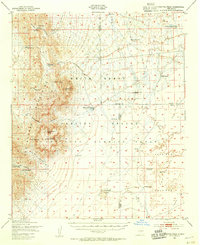
1947 · Capitol Peak
USGS Topo · 1:62,500
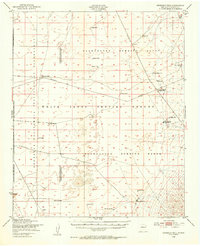
1948 · Granjean Well
USGS Topo · 1:62,500
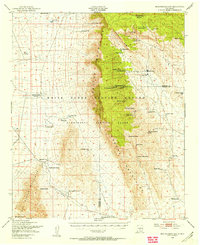
1948 · Mockingbird Gap
USGS Topo · 1:62,500
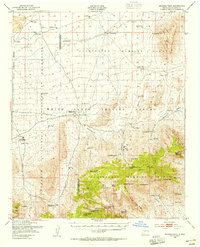
1948 · Salinas Peak
USGS Topo · 1:62,500
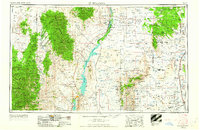
1954 · Tularosa
USGS Topo · 1:250,000
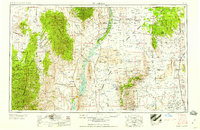
1958 · Tularosa
USGS Topo · 1:250,000
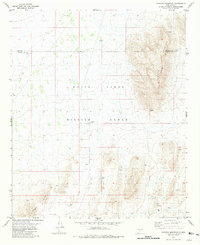
1981 · Fairview Mountain
USGS Topo · 1:24,000