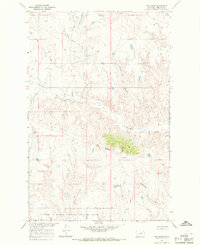
1965 Map of Pea Ridge
USGS Topo · Published 1970About this map
The Charles M Russell National Wildlife Range dominates the southern portion of this mid-1960s landscape, illustrating a transition between protected federal land and the surrounding coulee-cut plains. Named for the prominent Pea Ridge that traverses the center, the area is characterized by a series of erosion-formed drainages including Horse Pasture Coulee, Hardpan Coulee, and Clayton Coulee. Water management is central to this environment, shown by scattered catchments such as Siwash Reservoir, Shale Res, and the evocatively named Fish Fossil Reservoir. The small settlement of Valentine and a remote Landing Strip provide rare evidence of human infrastructure within this expansive network of seasonal creeks like Fourchette Creek and Hawley Creek. This topographic study was produced as part of the Department of the Interior's development program for the Missouri River Basin.
Find a feature on this map
16 named features on this map. Tap any name to fly to it.
Don’t see what you’re looking for? This feature index may not catch every label — zoom into the map to look around manually.
Map Details
Editions of this 1965 Pea Ridge Map
2 editions found
Other maps of this area
1954 · Jordan
USGS Topo · 1:250,000
1954 · Lewistown
USGS Topo · 1:250,000
1956 · Jordan
USGS Topo · 1:250,000
1958 · Jordan
USGS Topo · 1:250,000
1959 · Lewistown
USGS Topo · 1:250,000
1964 · Jordan
USGS Topo · 1:250,000
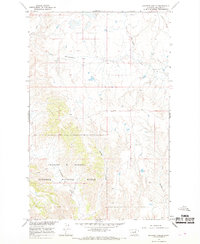
1965 · Karsten Coulee
USGS Topo · 1:24,000
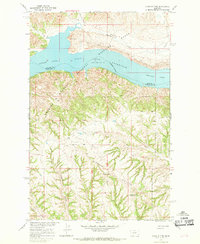
1965 · Chain Buttes
USGS Topo · 1:24,000
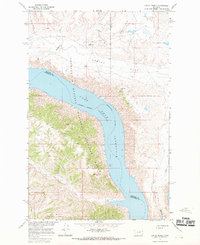
1965 · Locke Ranch
USGS Topo · 1:24,000
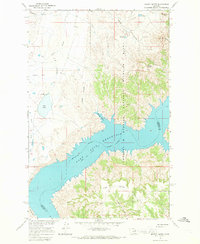
1965 · Mickey Butte
USGS Topo · 1:24,000