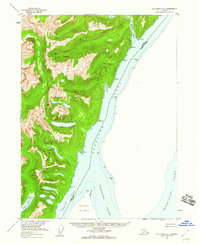
1955 Map of Ketchikan A-1
USGS Topo · Published 1959About this map
Portland Canal serves as the dominant aquatic corridor in this mid-century survey, marking the international boundary between the United States and Canada. To the west, the steep, glaciated terrain of the Tongass National Forest rises abruptly from the water, punctuated by landmarks such as Dome Mountain and Stripe Mountain. This maritime landscape is defined by its intricate shoreline, where deep-water inlets like Hidden Inlet and small, sheltered anchorages such as Whiskey Bay and Dogfish Bay offered refuge for vessels navigating the remote Inside Passage. The map records the complex geography of the Alaskan Panhandle just prior to statehood, illustrating the isolation of Pearse Island and the strategic importance of points like Tree Pt and Harrison Pt for navigation along the Pearse Canal.
Find a feature on this map
27 named features on this map. Tap any name to fly to it.
Don’t see what you’re looking for? This feature index may not catch every label — zoom into the map to look around manually.
Map Details
Editions of this 1955 Ketchikan A-1 Map
2 editions found
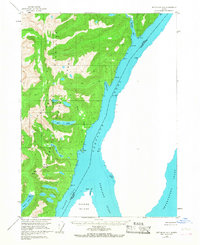
Other maps of this area
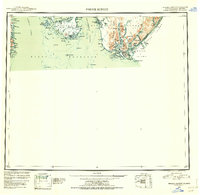
1951 · Prince Rupert
USGS Topo · 1:250,000
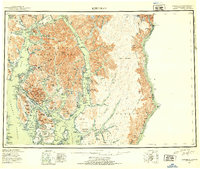
1952 · Ketchikan
USGS Topo · 1:250,000
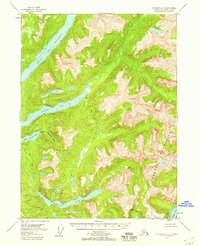
1955 · Ketchikan A-2
USGS Topo · 1:63,360
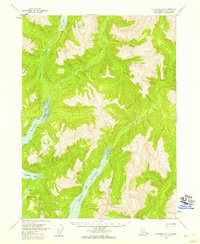
1955 · Ketchikan B-2
USGS Topo · 1:63,360
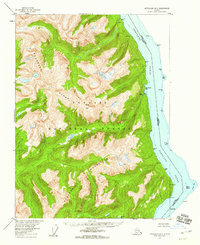
1955 · Ketchikan B-1
USGS Topo · 1:63,360
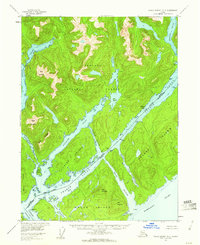
1955 · Prince Rupert D-2
USGS Topo · 1:63,360
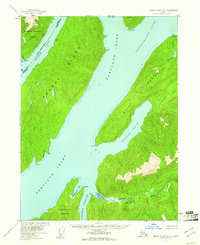
1955 · Prince Rupert D-1
USGS Topo · 1:63,360
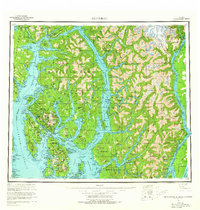
1955 · Ketchikan
USGS Topo · 1:250,000
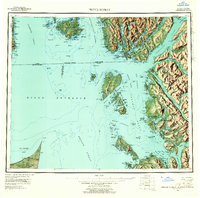
1959 · Prince Rupert
USGS Topo · 1:250,000
1964 · Prince Rupert
USGS Topo · 1:250,000