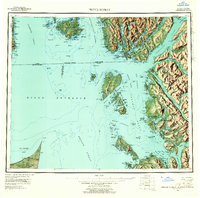
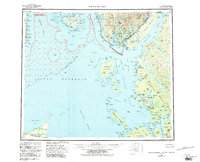
1959 Map of Prince Rupert
USGS Topo · Published 1961About this map
Prince Rupert serves as the focal point for this trans-border survey, illustrating the maritime and rail infrastructure that linked the Pacific Northwest to the interior in the late 1950s. The Canadian National railroad terminates here, connecting the coastal port to the Skeena River valley, where settlements like Port Edward and Claxton are established. To the north and west, the map details the complex island geography of the Tongass National Forest, including the Annette Island Indian Reservation and the community of Metlakatla. The boundary between Alaska and British Columbia runs through the Portland Canal and Dixon Entrance, highlighting the shared industrial and ecological landscape of the region. Notable local landmarks include Georgetown Mills and several Indian Reserves, such as I R 2, reflecting the long-standing Indigenous presence and the early 20th-century cannery economy that shaped these shores.
Find a feature on this map
132 named features on this map. Tap any name to fly to it.
Don’t see what you’re looking for? This feature index may not catch every label — zoom into the map to look around manually.
Map Details
Editions of this 1959 Prince Rupert Map
5 editions found
Other maps of this area
1948 · Prince Rupert D-6
USGS Topo · 1:63,360
1948 · Dixon Entrance C-1
USGS Topo · 1:63,360
1948 · Ketchikan A-6
USGS Topo · 1:63,360
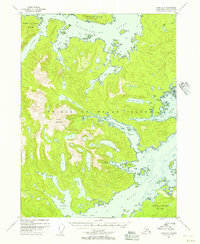
1948 · Craig A-1
USGS Topo · 1:63,360
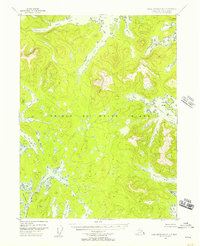
1948 · Dixon Entrance D-1
USGS Topo · 1:63,360
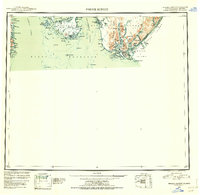
1951 · Prince Rupert
USGS Topo · 1:250,000
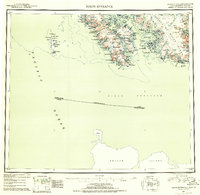
1951 · Dixon Entrance
USGS Topo · 1:250,000
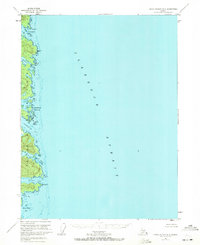
1951 · Prince Rupert D-6
USGS Topo · 1:63,360
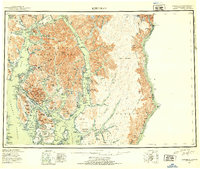
1952 · Ketchikan
USGS Topo · 1:250,000
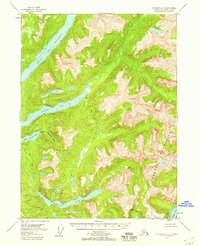
1955 · Ketchikan A-2
USGS Topo · 1:63,360