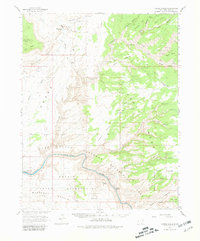
1963 Map of Grand Gulch
USGS Topo · Published 1981About this map
Cliff Dwellings and Petroglyphs dot the deeply incised canyons of the Grand Gulch plateau, reflecting the ancient human history of this canyon country. At the time of this 1963 survey, the San Juan River was undergoing a significant transformation as the rising waters of Lake Powell began to back into the lower reaches of the drainage. The map captures the borderlands between the Glen Canyon National Recreation Area and the Navajo Indian Reservation to the south, marked by landmarks like Cowboy Hat and the high vantage of Point Lookout. The intricate network of drainage systems, including Slickhorn Canyon, Bullet Canyon, and Dripping Canyon, underscores the complexity of the topography between the Clay Hills and the northern edge of Monument Valley. Sparse human presence is limited to remote outposts like Red House and seasonal grazing areas such as Pollys Pasture.
Find a feature on this map
35 named features on this map. Tap any name to fly to it.
Don’t see what you’re looking for? This feature index may not catch every label — zoom into the map to look around manually.
Map Details
Editions of this 1963 Grand Gulch Map
4 editions found
Other maps of this area
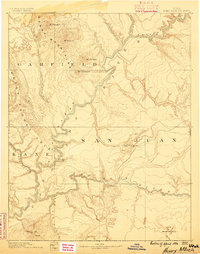
1886 · Henry Mountains
USGS Topo · 1:250,000
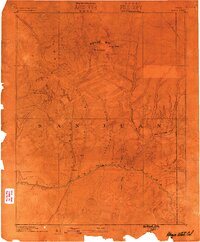
1886 · Abajo
USGS Topo · 1:250,000
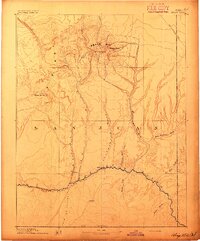
1892 · Abajo
USGS Topo · 1:250,000
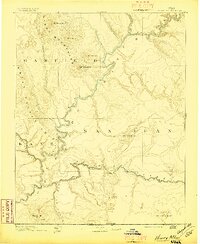
1892 · Henry Mountains
USGS Topo · 1:250,000
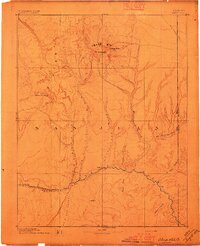
1893 · Abajo
USGS Topo · 1:250,000
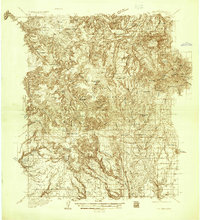
1935 · Elk Ridge
USGS Topo · 1:96,000
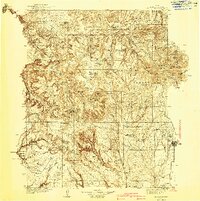
1940 · Elk Ridge
USGS Topo · 1:125,000
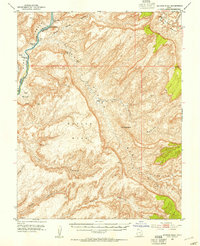
1952 · Mancos Mesa
USGS Topo · 1:62,500
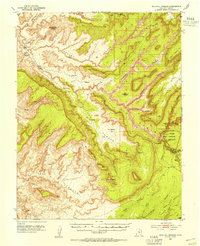
1952 · Natural Bridges
USGS Topo · 1:62,500
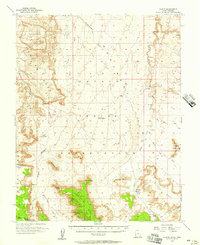
1952 · Oljeto
USGS Topo · 1:62,500