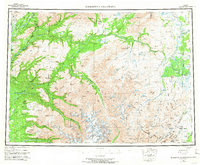
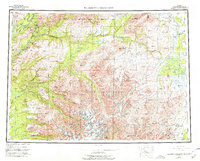
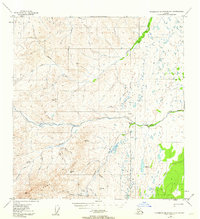
1954 Map of Talkeetna Mountains
USGS Topo · Published 1966About this map
The Alaska Railroad carves a critical path through the western edge of this vast interior landscape, connecting remote outposts like Hurricane, Chulitna, and Sherman during the mid-1950s. This survey illustrates the intricate drainage system of the Talkeetna Mountains, where the Susitna River and Talkeetna River define the valley floors between massive peaks. High-elevation features such as Talkeetna Glacier and Chickaloon Glacier feed the braided river networks that characterize the region's geography.
Find a feature on this map
59 named features on this map. Tap any name to fly to it.
Don’t see what you’re looking for? This feature index may not catch every label — zoom into the map to look around manually.
Map Details
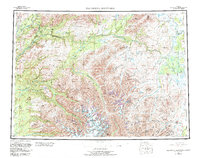
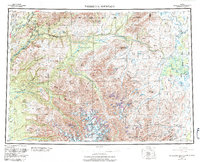
Editions of this 1954 Talkeetna Mountains Map
7 editions found
Other maps of this area
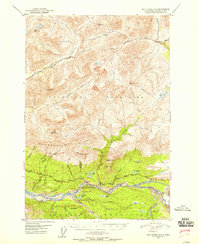
1948 · Anchorage D-3
USGS Topo · 1:63,360
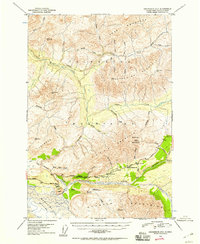
1948 · Anchorage D-2
USGS Topo · 1:63,360
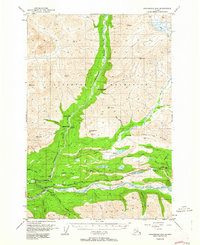
1948 · Anchorage D-4
USGS Topo · 1:63,360
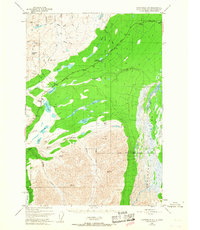
1948 · Anchorage D-1
USGS Topo · 1:63,360
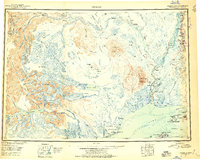
1949 · Tyonek
USGS Topo · 1:250,000
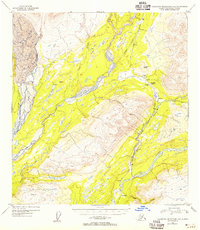
1949 · Talkeetna Mountains D-6
USGS Topo · 1:63,360
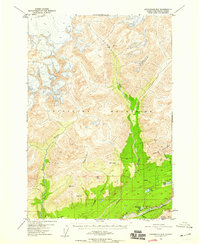
1949 · Anchorage D-5
USGS Topo · 1:63,360
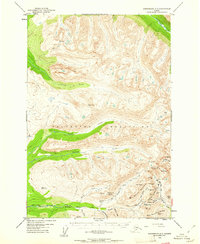
1949 · Anchorage D-7
USGS Topo · 1:63,360
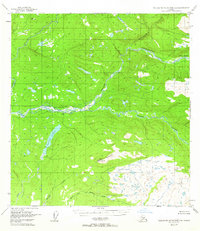
1949 · Talkeetna Mountains B-6
USGS Topo · 1:63,360
1949 · Talkeetna Mountains A-1
USGS Topo · 1:63,360