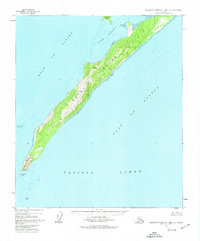
1955 Map of Middleton Island D-1 and D-2
USGS Topo · Published 1974About this map
Kayak Island dominates this mid-century topographic study, stretching as a narrow mountainous spine into the Gulf of Alaska. Photogrammetric methods from 1955 aerial photography reveal a landscape defined by extreme elevation changes, rising from the sea to Pyramid Peak. At the island's southern tip, Cape St Elias serves as a critical maritime landmark, accompanied by a solitary Light and the jagged Pinnacle Rock offshore. This area is entirely contained within the Chugach National Forest, reflecting its status as a federally managed wilderness during this era. The waters of Kayak Entrance separate the main island from Wingham Island to the north, while hazardous features like Sea Ranger Reef and Southeast Rock are clearly charted. The map captures a moment of transition where traditional hydrographic data from the U.S. Coast and Geodetic Survey meets modern topographic mapping.
Find a feature on this map
12 named features on this map. Tap any name to fly to it.
Don’t see what you’re looking for? This feature index may not catch every label — zoom into the map to look around manually.
Map Details
Editions of this 1955 Middleton Island D-1 and D-2 Map
3 editions found
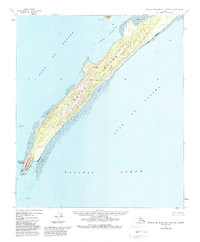
Other maps of this area
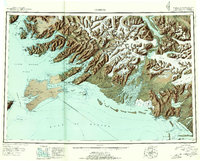
1948 · Cordova
USGS Topo · 1:250,000
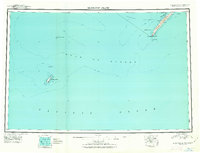
1948 · Middleton Island
USGS Topo · 1:250,000
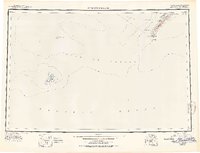
1950 · Middleton Island
USGS Topo · 1:250,000
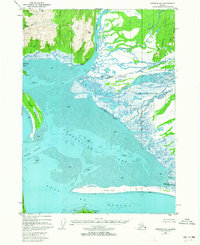
1950 · Cordova A-1
USGS Topo · 1:63,360
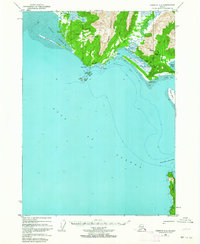
1950 · Cordova A-2
USGS Topo · 1:63,360
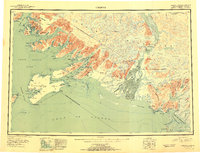
1951 · Cordova
USGS Topo · 1:250,000
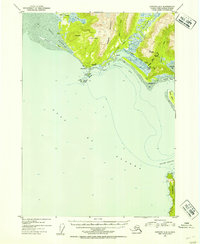
1953 · Cordova A-2
USGS Topo · 1:63,360
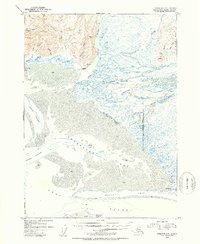
1953 · Cordova A-1
USGS Topo · 1:63,360
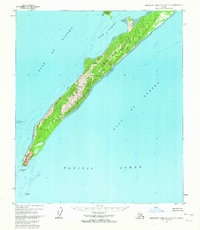
1955 · Middleton Island D-1 and D-2
USGS Topo · 1:63,360
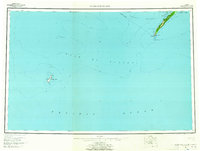
1955 · Middleton Island
USGS Topo · 1:250,000