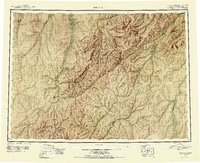
1951 Map of Iditarod
USGS Topo · Published 1956About this map
The Iditarod River snakes through a landscape defined by the remnants of Alaska's gold rush era in this mid-century reconnaissance. By this time, many of the region's once-bustling camps are marked as abandoned, including the former river port of Iditarod and the mining camp of Otter. These sites were the terminus of steamship traffic and the jumping-off point for the inland gold fields. The map captures a moment of transition where active operations like Flat and the DeCourcy Mtn Mine persist amidst a network of winter trails that linked the drainage of the Kuskokwim River to the northern hills. From the high peaks of the Beaver Mountains to the low-lying Devils Elbow, the cartography illustrates a rugged geography where travel was still dictated by the seasonal thaw of the river and the reach of the Winter Trail.
Find a feature on this map
116 named features on this map. Tap any name to fly to it.
Don’t see what you’re looking for? This feature index may not catch every label — zoom into the map to look around manually.
Map Details
Editions of this 1951 Iditarod Map
4 editions found
Other maps of this area
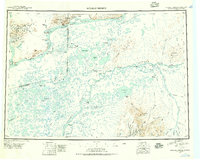
1947 · Russian Mission
USGS Topo · 1:250,000
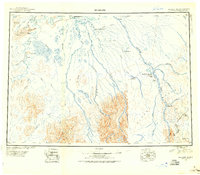
1949 · McGrath
USGS Topo · 1:250,000
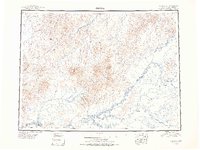
1950 · Medfra
USGS Topo · 1:250,000
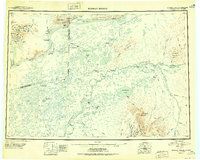
1950 · Russian Mission
USGS Topo · 1:250,000
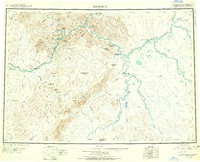
1950 · Sleetmute
USGS Topo · 1:250,000
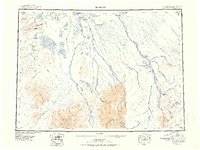
1950 · McGrath
USGS Topo · 1:250,000
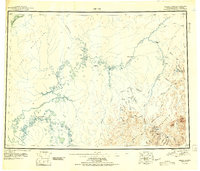
1951 · Ophir
USGS Topo · 1:250,000
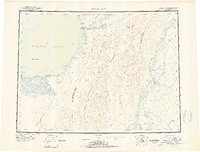
1951 · Unalakleet
USGS Topo · 1:250,000
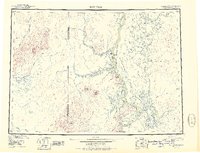
1951 · Holy Cross
USGS Topo · 1:250,000
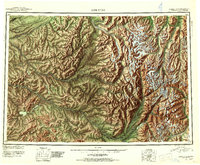
1951 · Lime Hills
USGS Topo · 1:250,000